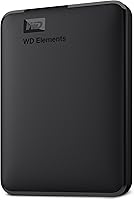
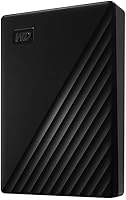
WD Elements vs Easystore: Which Drive to Buy? (November 2026)
Pick the WD 1TB Elements SE if you want a fast, pocket-size SSD for daily files; pick the 8TB Easystore if you need one large desk drive for backups. The wd elements vs easystore choice comes down to speed against capacity, not brand.
On this page (8 sections)
Pick the WD 1TB Elements SE if you want a fast, pocket-size SSD for daily files; pick the 8TB Easystore if you need one large desk drive for backups. The wd elements vs easystore choice comes down to speed against capacity, not brand.
Both are portable external drives from WD. The Elements SE runs on solid state memory and moves files quickly.
The Easystore models are mechanical hard drives built around how much they hold.
That single difference decides most of this comparison. Below, the drives sit side by side, then each point that should settle your purchase.


WD Elements vs Easystore at a glance
The Elements SE wins on speed and travel; the Easystore 8TB wins on raw capacity. The Easystore 1TB sits between them as a basic, low-cost backup disk.
Here is how the four drives line up on the facts that matter most.
| Drive | Capacity | Drive type | Speed | Best for |
|---|---|---|---|---|
| WD 1TB Elements SE | 1TB | Portable SSD | Up to 400MB/s read | Daily files and travel |
| WD 8TB Easystore | 8TB | Mechanical hard drive | USB 3.0 | Large backups and archives |
| WD Easystore 1TB | 1TB | Mechanical hard drive | 7200 rpm | A light desk backup |
| WD Elements Portable 2TB | 2TB | Mechanical hard drive | USB 3.2 Gen 1 (USB 3.0) | Photos and everyday files |
| Product | Best for | Capacity | Drive type | Connection | Our score |
|---|---|---|---|---|---|
| WD 1TB Elements SE | speed on the go | 1 TB | Portable SSD | USB 3.0 | 9.6 |
| Western Digital 8TB EASYSTORE External HDD | big backups | 8 TB | Mechanical Hard Disk | USB 3.0 | 9.2 |
| Western Digital WD Easystore 1TB External USB 3.0 | a light desk backup | 1 TB | Mechanical Hard Disk | USB 3.0 | 9.0 |
| WD Elements Portable 2TB | photos and everyday files | 2 TB | Mechanical Hard Disk | USB 2.0/3.0 | 8.7 |
The table hides one useful detail: the Elements SE is the only solid state drive in this group. Everything else spins a magnetic disk, which is why the Easystore pair offers more storage per dollar.
Capacity and speed pull in opposite directions here. The drive with the most room is also the slowest to fill, so decide which one you'll notice more in daily use.
How the two names differ in practice
Elements and Easystore are product families, not rival brands, so the model number tells you more than the name. The same family can hold very different drives.
The Elements name covers the Elements SE portable SSD and the Elements Portable hard drive. The Easystore name covers a 1TB portable hard drive and an 8TB external hard drive.
WD builds both families for plug-and-play storage. The drives connect over USB and work as ordinary removable storage.
What changes is the hardware inside. The Elements SE uses solid state memory rated for read speeds up to 400MB/s and drop resistance up to 2 meters.
The Easystore models use spinning disks at 1TB and 8TB.
The enclosure materials differ too. The Elements SE lists a hard plastic shell in black, the 8TB Easystore lists aluminum and the 1TB Easystore lists a black finish.
Build and finish are separate from speed, but they hint at how each drive is meant to live.
This matters when you shop by name alone. A drive labeled "Easystore" could mean a pocket drive or a large desk unit, so check the capacity before you compare it with an Elements model.
Our WD Elements review covers the portable hard drive line in more depth. For the travel-focused sibling, the WD Elements vs My Passport comparison weighs the SSD against a classic portable.
Which drive is faster in daily use?
The Elements SE is the faster drive, and the gap is widest when you copy many files or work from the drive directly. WD rates its read speed at up to 400MB/s, a figure based on internal testing.
That rating describes sequential reads. Real-world speed still depends on your computer's port, the cable and the size of the files.
The mechanical drives are much slower in comparison. The Easystore 1TB runs a 7200 rpm disk, and the Elements Portable 2TB runs a 5400 rpm disk.
Neither offers an SSD's quick response when you open a folder or load a large project file.
Spindle speed separates the two hard drives as well. The 7200 rpm Easystore 1TB turns faster than the 5400 rpm Elements Portable 2TB, so within the mechanical pair the Easystore is the quicker spinner.
Both still trail the SSD.
For a backup that runs overnight, speed matters little. For a video edit, a photo cull or a work session with files stored on the drive, the SSD saves real time.
The Elements SE also lists compatibility with PC, Mac, laptop, desktop, tablet and PlayStation 4. That breadth helps if you move one drive between devices.
If speed is your main worry, the decision is settled: go with the Elements SE. Slower drives only make sense when capacity is the point.
How much storage do you actually need?
Pick 1TB for everyday files, 2TB for a growing photo library and 8TB for full backups or long-term archives. Storage need grows with what you keep, not with the size of the drive.
A 1TB drive holds a large document archive, a photo collection and a first full computer backup. That covers most students, office workers and casual photographers.
Two terabytes gives you room to keep the backup and a second copy. It also helps if you shoot raw photos or keep a video library you don't want to prune.
The 8TB Easystore changes the math. It suits people who back up several computers, keep game footage or archive years of family video.
One large drive also means fewer cables and less desk clutter than several small ones.
Don't buy 8TB only because it looks like better value. An archive drive fills up slowly, and a smaller SSD you actually carry is more useful than a large unit left in a drawer.
Our external hard drive vs cloud storage guide helps if you're weighing a drive against a subscription. A local drive and cloud backup can also work together.
Do you need 1TB or 2TB?
Start with what you already store. If your current laptop holds about 500GB and is nearly full, a 1TB drive doubles your room, and a 2TB drive gives more headroom for photos and video.
If you already keep an old backup drive that's nearly full, size up. Replacing a full 1TB with another 1TB leaves no room for growth.
Is 8TB overkill?
It's overkill for a single laptop backup. It makes sense when one drive must hold multiple computers, media projects and an archive you rarely touch.
The 8TB Easystore uses an aluminum enclosure and weighs 2.2 pounds. It's a unit that lives on a desk, not one you toss in a bag each morning.
Which drive travels better?
The Elements SE is the travel pick because it's small, light and rated to survive drops up to 2 meters. The Easystore 8TB is the least portable of the group.
The Elements SE measures about 2.54 by 2.54 by 0.34 inches. It's a pocket-size drive that works from a bag, a café table or a shared desk.
Its 1TB of solid state storage weighs almost nothing in a pack.
Its drop resistance rating comes from WD, so treat it as the maker's claim rather than a guarantee. Still, it's the only drive here built around being knocked about.
The portable Easystore 1TB and the Elements Portable 2TB are small enough to carry, but both spin a mechanical disk. A fall while the disk is spinning is riskier for a hard drive than for an SSD.
The 8TB Easystore weighs 2.2 pounds and takes up more desk space. It's fine to move between rooms, but it isn't a bag drive.
The listed weight of 2.2 pounds and the larger footprint both mark it as a shelf unit.
If your drive rides in a backpack, choose the Elements SE. If it stays on a shelf next to your computer, portability costs you nothing and capacity matters more.
Which is easier to set up and use?
All four drives are plug and play over USB, so setup is close to identical. The real differences show up after you connect them.
The Elements SE lists USB 3.0 connectivity and a USB 3.0 cable in the box. The Easystore 1TB lists USB 3.0, and the Elements Portable 2TB lists USB 3.2 Gen 1 and USB 2.0 compatibility.
The 8TB Easystore also lists USB 3.0.
Plug any of them into a USB port and the drive appears as removable storage. No software install is needed for basic copying and backup.
The Easystore 1TB lists backup software among its built-in media. If you want a guided first backup, that's a small convenience.
The Elements SE ships with the drive, its USB 3.0 cable and a safety and warranty guide, with no extra backup program named.
Format matters for Mac users. The Elements SE lists Mac support, the Elements Portable 2TB lists Mac and PC, and the 8TB Easystore lists Mac and PC.
The 1TB Easystore lists PC only.
Check that before you buy the small Easystore. A PC-formatted drive can be reformatted for a Mac, but it's an extra step some buyers would rather skip.
The Elements SE also lists tablet and television among its compatible devices. That matters if you want to plug the same drive into a TV to play stored video rather than only into a computer.
Who should buy which drive?
Most readers should buy the WD 1TB Elements SE. The Easystore models serve specific needs: cheap 1TB backup or very large capacity.
The Elements SE is the drive to pick if you work from files, carry a drive daily or want the fastest option in this comparison. It's the best overall choice here for speed and travel.
The 8TB Easystore is the pick for a home backup hub. It holds full system images, video projects and years of photos, and it's the only way to get 8TB in one unit in this group.
The 1TB Easystore fits a simple desk backup on a budget. It's a mechanical drive, so it's slower, but for occasional copies of documents and photos that's a fair trade.
The Elements Portable 2TB is the middle option for photo libraries and everyday files. Two terabytes without SSD pricing makes it a sensible first external drive.
Our WD My Passport vs Seagate Portable comparison covers a rival pair if you want to see how these drives stack up against other portable options.
Best pick for speed and travel: WD 1TB Elements SE
This is the one to buy if you'll notice speed. Opening a large photo folder or copying a video project is quicker on solid state memory than on any spinning drive here.
Best pick for big backups: Western Digital 8TB EASYSTORE External HDD
Choose it when capacity is the whole point. One drive covers several computers and years of media without adding more cables.
Best pick for a light desk backup: Western Digital WD Easystore 1TB External USB 3.0
This is the budget backup pick. It's slower than the Elements SE, but for occasional document and photo copies that speed gap rarely shows.
Best pick for photos and everyday files: WD Elements Portable 2TB
It's the easy middle. Two terabytes covers a growing library and a first full backup, and setup takes minutes.
The verdict: WD Elements or Easystore?
Buy the WD 1TB Elements SE for most people; buy an Easystore only when capacity is your reason. In this wd elements vs easystore matchup, the SSD takes the overall win on speed, travel and everyday use.
The rule is simple. If the drive leaves your desk, choose the Elements SE.
If it stays plugged in and you need a lot of room, choose the 8TB Easystore.
If you want a cheap desk backup at 1TB, the Easystore 1TB does that job. If you need more room than 1TB but don't want 8TB, the Elements Portable 2TB is the balanced pick.
One more tiebreaker: device fit. The Elements SE lists support for PC, Mac, laptop, desktop, tablet, television and PlayStation 4.
The 8TB Easystore lists Mac and PC, and the 1TB Easystore lists PC only. If your drive must work across a TV or a console as well as a computer, that short list settles it quickly.
Start with your largest current folder. If it's under a terabyte and you move the drive around, stop there and buy the SSD.
If it's years of video and full backups, go large.
For the full picture of the portable line, our WD Elements review covers what each model does well. The My Passport vs Seagate comparison is the next stop if you're still shopping the portable class.
Frequently asked questions
Is WD Elements better than Easystore?
Neither name is better across the board. Elements is WD's general-purpose portable line, and this 1TB Elements SE model is a solid state drive with read speeds up to 400MB/s.
Easystore covers both a 1TB portable hard drive and an 8TB desktop drive, so the model matters more than the label.
What is the difference between WD Elements and WD Easystore?
The practical gap is the drive type and the capacity. The Elements SE here is a 1TB SSD rated for drops up to 2 meters.
The Easystore models are mechanical hard drives at 1TB and 8TB, so they cost less per gigabyte but move files more slowly.
Which is faster, WD Elements SE or Easystore?
The Elements SE is faster. WD rates its read speed at up to 400MB/s, while the Easystore 1TB uses a 7200 rpm spinning disk and the 8TB model is also mechanical.
Large transfers finish sooner on the SSD.
Can I use these drives with a Mac?
The Elements SE lists PC, Mac, laptop, desktop and PlayStation 4 support. The WD Elements Portable 2TB lists PC, Mac and consoles.
The 8TB Easystore lists Mac and PC, and the 1TB Easystore lists PC only, so check your system before you buy that one.
How much storage should I buy?
Pick 1TB for everyday documents, a photo library and travel. Pick 2TB for a growing photo or video collection.
Pick 8TB when you keep full backups, game footage or long-term archives and want one drive for years.
Do I need an SSD or a hard drive?
Choose an SSD for speed, travel and working from files directly. Choose a mechanical hard drive for capacity and long-term backup, where you care more about how much it holds than how quickly each file opens.